
Nutrition and Hydration for Youth Rugby League Players: Evidence-Based Guidance
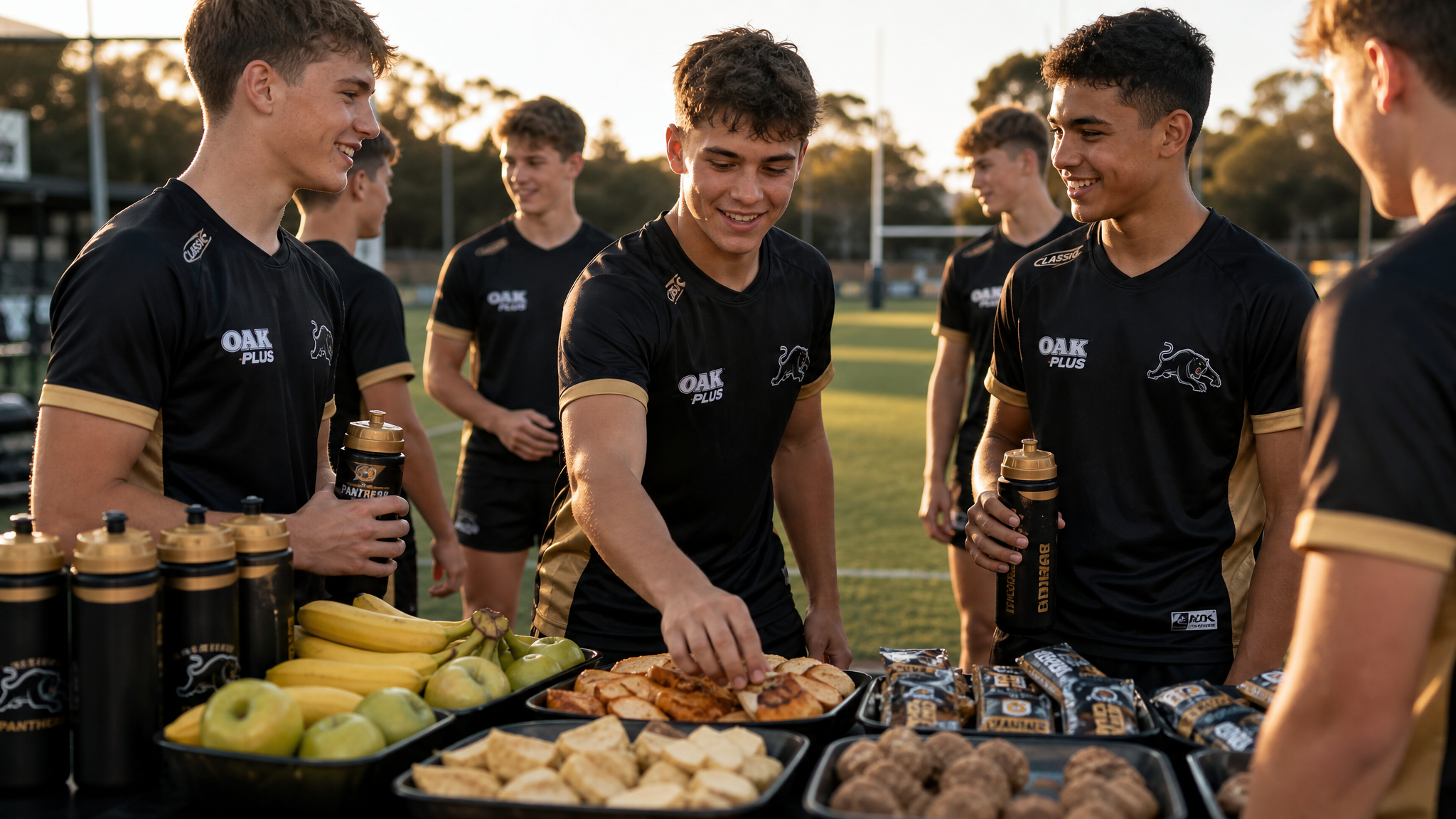
Fuelling Young Athletes the Right Way
Nutrition and hydration are two of the most overlooked aspects of youth athletic development. You can have the best S&C programme in the world, but if a young player isn't eating and drinking properly, they simply won't perform at their best or recover effectively between sessions.
This guide is built around current evidence-based recommendations from the UK Strength and Conditioning Association (UKSCA), British Nutrition Foundation, and Sport England's Duty of Care guidelines. It's designed specifically for youth rugby league players aged 12–18 and their parents or carers.
The Basics: What Young Athletes Need
Growing athletes have higher energy and nutrient demands than their non-active peers. They need sufficient calories to support both normal growth and development and the demands of training and competition. Restricting calories or following fad diets is strongly discouraged in youth populations — the UKSCA position statement on youth athletic development makes this clear.
A balanced plate for a young rugby league player should include:
- Carbohydrates (45–65% of energy intake): The primary fuel source for high-intensity activity. Wholegrain bread, pasta, rice, oats, potatoes, and fruit should form the foundation of every meal. Carbohydrate is king for rugby performance — it fuels repeated sprints, tackles, and carries.
- Protein (15–25% of energy intake): Essential for muscle repair and growth. Lean meats, poultry, fish, eggs, dairy, beans, and lentils are all excellent sources. The British Dietetic Association recommends around 1.2–1.6g of protein per kg of bodyweight per day for active adolescents — easily achievable through whole foods without supplements.
- Healthy Fats (25–35% of energy intake): Important for hormone production, brain development, and joint health. Oily fish, nuts, seeds, avocados, and olive oil are ideal sources.
- Micronutrients: Iron, calcium, vitamin D, and zinc are particularly important for growing athletes. A varied diet rich in colourful fruits, vegetables, dairy, and lean meats will usually cover these needs.
Match-Day Nutrition
What a player eats before, during, and after a match has a direct impact on performance and recovery. Here's a simple, practical framework:
Pre-Match (2–3 hours before kick-off)
A carbohydrate-rich meal that's familiar and easy to digest. Avoid anything too high in fat or fibre as it may cause stomach discomfort during play.
- Chicken pasta with tomato sauce
- Rice with lean mince and vegetables
- Porridge with banana and honey
- Toast with scrambled eggs and baked beans
During the Match
Water is the primary focus. For matches lasting longer than 60 minutes or in hot conditions, a diluted sports drink (or homemade alternative — water with a pinch of salt and squash) can help replace electrolytes. Energy drinks and high-caffeine products are not recommended for under-18s — this is consistent with guidance from the British Nutrition Foundation and UKSCA.
Post-Match (within 30–60 minutes)
A combination of carbohydrate and protein to kickstart recovery:
- Chocolate milk (a brilliant, cost-effective recovery drink)
- A chicken or tuna sandwich
- Greek yoghurt with fruit and granola
- A balanced home-cooked meal as soon as practically possible
Hydration: The Performance Multiplier
Even mild dehydration (as little as 2% body mass loss) can significantly impair physical and cognitive performance — reaction time slows, decision-making suffers, and fatigue sets in earlier. For a contact sport like rugby league, this is a serious concern.
Daily Hydration
Young athletes should aim for around 6–8 glasses of water per day as a baseline, with additional fluid before, during, and after training or matches. Water and milk are the best everyday choices.
Training and Match-Day Hydration
- 2 hours before: Drink 400–600ml of water
- During activity: Drink 150–200ml every 15–20 minutes (use drink breaks and half-time wisely)
- After activity: Aim to replace 150% of fluid lost — a simple way to estimate is to weigh before and after training. For every 1kg lost, drink 1.5 litres of fluid over the following 2–4 hours
What to Avoid
- Energy drinks: High in caffeine and sugar, not appropriate for under-18s. The UKSCA and British Nutrition Foundation both advise against their use in young athletes.
- Excessive fruit juice or fizzy drinks: High sugar content without adequate nutritional benefit. These can also cause stomach discomfort during activity.
- Caffeinated pre-workout supplements: Not recommended for youth athletes. These products are formulated for adults and the doses are not appropriate for developing bodies.
Supplements: The UKSCA Position
The UKSCA's position is clear: supplements are not necessary for youth athletes. A well-balanced diet provides everything a growing athlete needs. The focus should always be on getting nutrition right through real food first.
There are also safeguarding and anti-doping considerations. UK Anti-Doping (UKAD) warns that supplements carry a risk of contamination with banned substances. Introducing supplements to young athletes sets an unhealthy precedent and shifts focus away from developing good eating habits that will serve them throughout their careers.
The only exception may be Vitamin D supplementation during autumn and winter months, as recommended by Public Health England for the general population — but this should be discussed with a GP or registered dietitian.
Practical Tips for Parents and Carers
- Plan ahead: Prepare meals and snacks in advance so there's always something nutritious available after training.
- Lead by example: Young people are more likely to adopt healthy habits if the whole family eats well.
- Make it simple: Good nutrition doesn't have to be complicated or expensive. Batch cooking, using frozen vegetables, and sticking to staple foods all work brilliantly.
- Don't restrict: Growing athletes need fuel. Avoid putting young people on diets or creating anxiety around food. A positive relationship with eating is far more important than hitting exact macros.
- Send a water bottle: It sounds basic, but making sure your child has a filled water bottle for every session is one of the simplest and most impactful things you can do.
A Sample Training Day Menu
Here's an example of what a training day might look like for a 15-year-old rugby league player:
- Breakfast: Porridge with banana, honey, and a glass of milk
- Mid-morning snack: Apple with a handful of mixed nuts
- Lunch: Chicken wrap with salad, a yoghurt, and a piece of fruit
- Pre-training snack (1–2 hours before): Toast with peanut butter and a banana
- During training: Water (500ml minimum)
- Post-training: Chocolate milk or a recovery smoothie
- Dinner: Spaghetti Bolognese with lean mince, plenty of veg, and garlic bread
- Evening snack: Greek yoghurt with berries
The Bottom Line
Good nutrition and proper hydration aren't complicated, but they are game-changing. Young rugby league players who eat well, drink enough water, and avoid the hype around supplements and energy drinks will recover faster, train harder, and perform better on match day.
At GannonS&C, nutrition guidance is built into all of our training programmes. If you'd like tailored advice for your child or your team, get in touch — we're here to help.
References: UKSCA Position Statement on Youth Athletic Development; British Nutrition Foundation Guidelines for Active Young People; Sport England Duty of Care in Sport; UK Anti-Doping (UKAD) Supplement Guidance; Public Health England Vitamin D Recommendations.